After the Rain: How LMN Plumbing Can Help Protect Your Home From Leaks, Flooding & Drainage Damage
After the Rain: How LMN Plumbing Can Help Protect Your Home From Leaks, Flooding & Drainage Damage
With the heavy rain and wild weather we have just had (which is hard to imagine sitting here with the sun and blue sky outside), many homes and businesses are starting to feel the effects — from overflowing gutters to blocked stormwater drains and unexpected leaks. Even if everything looks “fine” on the surface, water can quietly cause damage that becomes expensive later.
Stormwater issues don’t always show up as a dramatic flood. Sometimes it starts as a slow build-up: a soggy patch in the yard that never dries out, water pooling near the house, damp smells indoors, or gutters that suddenly overflow during a downpour. These small signs can point to a bigger issue that needs attention.
At LMN Plumbing, we are here to help local homeowners and businesses get on top of stormwater and water-related plumbing problems quickly, safely, and properly — before they turn into bigger repairs. Whether you’re dealing with blocked drains, leaking roofs, or water running where it shouldn’t, we can inspect the problem, explain what’s going on, and get things flowing the way they’re meant to.
Why Heavy Rain Causes Plumbing Problems
Most people assume rain is only a problem if their roof is leaking. But the truth is, rain puts pressure on multiple parts of your property at the same time:
Your roof drainage system has to handle large volumes of water fast
Your gutters and downpipes must stay clear and connected
Your stormwater drains must be free-flowing and not collapsed
The ground around your home becomes saturated and can shift
Tree roots may expand or move toward moisture
Older pipes can crack or separate under stress
Even a well-built property can develop issues after repeated rain events. If your drainage system is already partially blocked or struggling, heavy rain can be the final straw that causes overflow, flooding, or internal leaks.
Common Problems We See After Heavy Rain
After a big downpour, we often get calls about:
1. Blocked Stormwater Drains
When stormwater drains become blocked with leaves, debris, mud, or tree roots, water has nowhere to go. It can back up and spill out into the yard, overflow near grates, or even push water toward the home.
You might notice:
pooling water around the house
bubbling or overflowing stormwater pits
drains that work slowly or not at all
water collecting near pathways or driveways
2. Overflowing Gutters and Downpipes
Gutters don’t have to be completely full of leaves to cause problems. Even partial blockages can lead to overflow during heavy rain, which sends water down external walls and into areas it shouldn’t be.
Overflowing gutters can lead to:
stained walls and fascia boards
damp areas inside the home
water entering roof cavities
long-term timber damage and mould growth
3. Roof Leaks (Especially Around Flashings and Joins)
Heavy rain and wind can expose weak points on the roof — particularly around:
roof flashings
valleys
skylights
vents and penetrations
roof-to-wall junctions
A roof leak isn’t always obvious straight away. Water can travel along timber, insulation, or framing before it finally appears as a stain or drip inside.
4. Water Entering Under Floors, Basements, or Garages
When the ground becomes saturated, water can seep into low areas of the property. Garages, underfloor spaces, and basements are common problem spots, especially if stormwater isn’t draining away properly.
This can lead to:
damp smells
mould growth
damaged stored items
slippery surfaces and safety risks
long-term structural concerns
5. Garden Flooding and Soggy Areas That Won’t Dry
If you’ve got sections of lawn that stay wet for days, it may not be “just the rain.” It can indicate:
a blocked stormwater line
poor drainage fall
damaged or disconnected pipes
downpipes dumping water into the wrong spot
Over time, soggy ground can cause erosion and undermine pathways, retaining walls, or the home’s foundation.
6. Hidden Pipe Damage From Shifting Ground or Tree Roots
Heavy rain can soften soil and cause movement around pipes. This is especially common in older systems or where tree roots are present.
Tree roots are one of the biggest causes of stormwater and sewer damage. They naturally chase moisture and can enter tiny cracks in pipes, slowly growing until the pipe is restricted or broken.
Signs Your Property Might Have a Stormwater Problem
Sometimes the signs are subtle. If you’ve noticed any of the following, it’s worth booking in for a drain inspection:
Water pooling near the house after rain
Gutters overflowing even when they look “mostly clear”
A downpipe gushing water at the base
Stormwater grates bubbling or backing up
Damp smells indoors after wet weather
Water stains on ceilings or walls
Garden areas that stay constantly soggy
Cracks or movement in paving near drains
Mould appearing on walls or in corners
If water is sitting where it shouldn’t be, it’s usually a sign that the drainage system needs attention.
How LMN Plumbing Can Help After Heavy Rain
LMN Plumbing provides fast, practical solutions after heavy rain — with clear communication, honest advice, and quality workmanship. Here are some of the most common services we provide after storms and downpours:
✅ Stormwater Drain Inspections & Repairs
Stormwater systems are designed to carry water away from your roof and property safely. But when something blocks or breaks, water can back up fast.
We can help by:
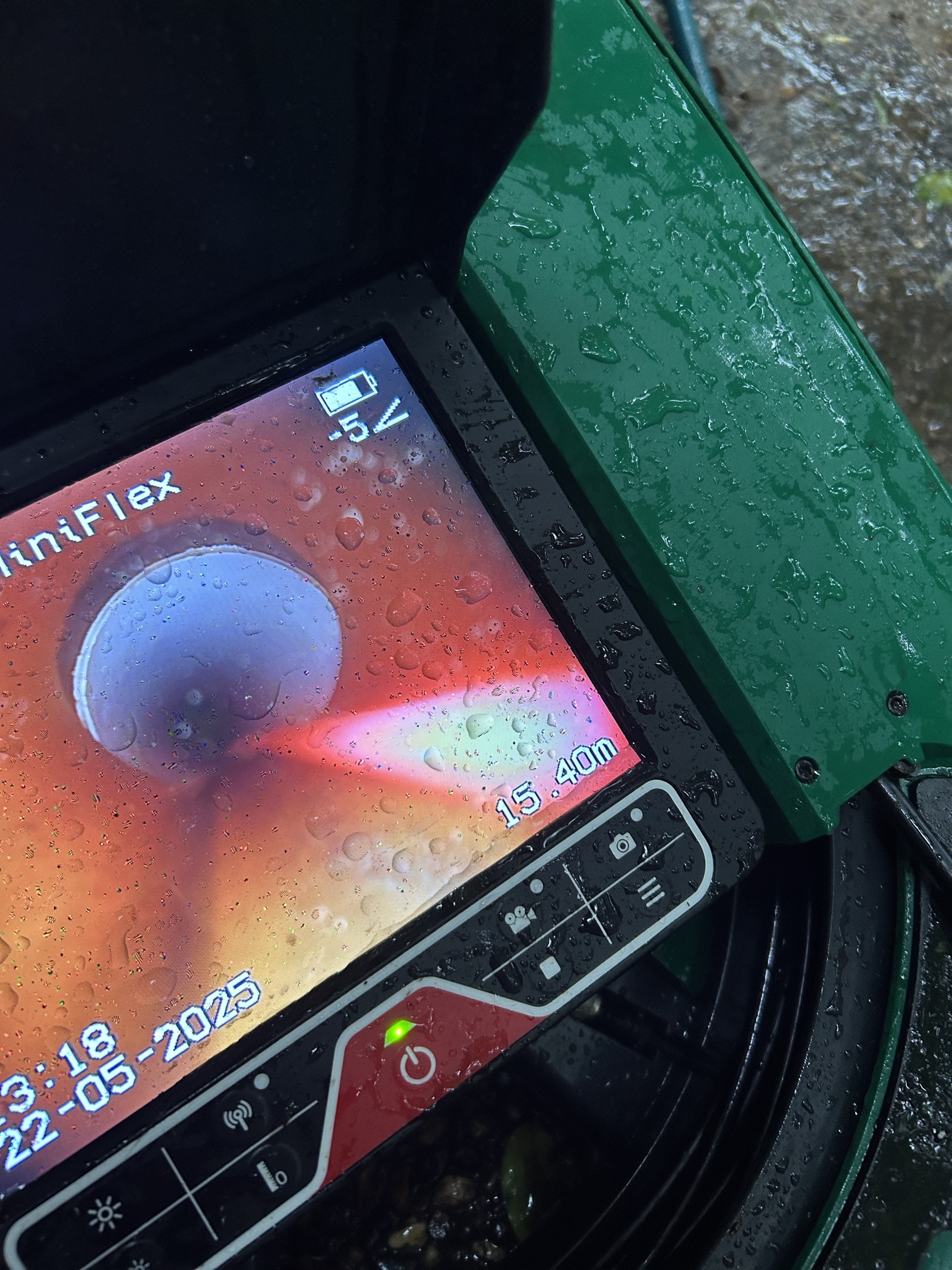
inspecting stormwater drains and pits
locating blockages or damaged sections
clearing debris and restoring flow
repairing cracked or collapsed stormwater lines
improving drainage pathways where needed
If your stormwater system is blocked, cracked, or collapsed, we’ll identify the cause and repair or replace the damaged section so water flows away properly again.
✅ Downpipe & Gutter Drainage Fixes
Downpipes are meant to move water away from your roof and into stormwater drainage. When they’re blocked, disconnected, or poorly installed, rainwater ends up flooding areas around the home.
We can assist with:
Reconnecting broken or displaced downpipes
Replacing damaged sections
Improving the stormwater connection
Checking for correct fall and drainage direction
Installing better solutions where overflow is occurring
This is one of the simplest fixes that can make the biggest difference during heavy rain.
✅ Roof Leak Checks & Flashing Repairs
Roof leaks can cause major internal damage if left unchecked — especially if the water enters roof cavities and spreads unseen.
LMN Plumbing can:
Inspect roof penetrations and joins
Identify likely leak points
Repair or replace damaged flashings
Seal problem areas properly
Reduce the risk of repeated leaks during future rain
If you’ve noticed a drip, water stain, or damp smell after the rain, it’s important to act quickly. The sooner the leak is repaired, the less chance it has to damage plaster, insulation, or timber framing.
✅ Tap & Plumbing Leak Detection
Not all leaks come from the roof. Heavy rain can highlight weak points in plumbing systems, especially if water pressure changes or fittings have been stressed over time.
We can help if you’ve noticed:
damp patches around walls or floors
unusual water pooling
low water pressure
unexplained water damage
We’ll check the likely causes and repair leaks before they turn into major issues.
✅ Preventive Drainage Improvements
Sometimes the best fix is preventing the next flood. If your property struggles every time there’s heavy rain, it may need a smarter drainage setup.
We can recommend and install improvements such as:
better stormwater connections
upgraded downpipes
improved surface drainage solutions
rerouting water away from problem areas
repairs that stop repeat flooding and overflow
Preventative work can save you thousands over time — especially if your home has low points, older stormwater lines, or poor drainage fall.
Why Acting Early Matters
When stormwater can’t drain properly, it doesn’t just create puddles — it can lead to long-term property damage.
Some of the most common issues caused by poor drainage include:
Foundation Movement
Water pooling around the home can soak the ground and cause shifting. Over time, this may contribute to movement in slabs, footings, and surrounding structures.
Mould and Damp Smells
Moisture trapped under floors or inside walls can lead to mould growth. This isn’t just unpleasant — it can become a health concern and a major repair issue if left too long.
Water Damage to Walls and Ceilings
Leaks don’t always show up immediately. Water can travel along timber and insulation before it appears as a stain, sagging ceiling, or bubbling paint.
Erosion Around the Home
Overflowing downpipes and stormwater runoff can wash away soil, exposing footings, damaging garden beds, and undermining paving.
Long-Term Drainage Failure
Blocked drains often get worse over time. A partial blockage can become a full collapse, and what could have been a quick fix can turn into a larger repair.
A quick inspection after heavy rain can save a lot of stress, time, and cost later.
Simple Steps You Can Take After Heavy Rain
While some issues need a plumber straight away, there are a few things you can do to reduce risk and spot problems early:
1. Check Your Gutters
If it’s safe to do so, look for signs of overflow. If water is pouring over the sides instead of flowing into the downpipes, it’s time for attention.
2. Look at Downpipe Discharge Points
Make sure water is flowing away from the home — not pooling at the base or running back toward the slab.
3. Walk Around Your Yard
Pay attention to soggy patches, pooling water, or areas where water is running toward the house.
4. Watch for Interior Warning Signs
Even small water stains or damp smells can indicate a bigger issue hidden behind ceilings or walls.
5. Don’t Ignore “One-Off” Flooding
If something overflowed “just this once,” it often means the system is already at its limit — and the next storm could be worse.
What Makes LMN Plumbing Different
When your home is taking on water, you don’t want guesswork — you want clear answers and a proper fix.
At LMN Plumbing, we focus on:
reliable, practical solutions
quality repairs that last
honest advice (no upselling)
clear communication so you understand the issue
workmanship that protects your home long-term
We understand that stormwater and drainage problems can be stressful — especially when they happen suddenly after wild weather. Our goal is to make the process simple, professional, and effective.
Final Thoughts
Heavy rain can expose weak points in stormwater systems, roof drainage, and plumbing — and even small problems can lead to major damage if ignored. Whether you’re dealing with overflowing gutters, blocked drains, roof leaks, or water pooling around the house, getting onto it early can make all the difference.
If you’ve noticed water where it shouldn’t be, strange damp smells, slow drainage, or overflow during storms, it’s worth having it checked sooner rather than later. A proper inspection and repair now can help protect your home, your foundation, and your peace of mind through the next round of wet weather.